 Saving
One Life At A Time Saving
One Life At A TimeMaurice, LA 70555 (337) - 893 - 0337 Http://www.acadianahumane.org Spring 2006 Newsletter |
|
Saving
One Life At A Time Maurice, LA 70555 (337) - 893 - 0337 Http://www.acadianahumane.org Spring 2006 Newsletter |
 |
| Feral Cats, T.N.R, Alley Cat Allies and the Wild Cat Foundation of Lafayette |
| In the evenings or at night, have you ever gone through
the drive up of McDonald’s or Sonic on Ambassador Caffery Parkway and spotted
a cat (or maybe two or three) lurking just on the edge of the wooded patch….
or perhaps hanging around near a grocery store’s trash bin? If you have,
then you’ve seen feral cats.
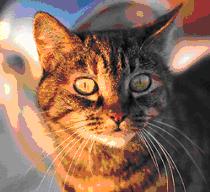
Most of the cats and kittens that come into the AHS foster network have been owner-surrendered, rescued from the animal control center, found as strays, or simply abandoned. With a few exceptions, we have been lucky in that those that we’ve taken into our care were not feral, were quite tame, and used to socialization with humans. Feral cats are an altogether different story. |
 |
| In this newsletter, we’d like to introduce you to Alley Cat Allies, an national organization of cat lovers devoted to the welfare and well-being of feral cats, and our very own Wild Cat Foundation, an all-volunteer organization based in Lafayette, Louisiana, who have been inspired and guided by the Alley Cat Allies organization. Alley Cat Allies maintains an excellent website at http://www.alleycatallies.org With their gracious permission, the next few sections are taken from the “First Time Visitor?” resource area of the website. We hope you will find the information as enlightening as we did. |
| What are Feral cats?
They sleep in our parks, military bases, alleyways, farmyards, barns, college
campuses, and deserted buildings. Abandoned by their human families or
simply lost, unsterilized housecats eventually band together in groups
called colonies. Without human contact for a prolonged period, the colonies
become feral. They make homes wherever they can find food, be it in dumpsters
or under a boardwalk. Mothers teach their kittens to avoid humans and to
defend themselves. And their numbers steadily increase, even if meager
scraps are all the food to be had.
No one knows exactly how many feral cats live in the United States, but the number is estimated in the tens of millions. They are often wrongly portrayed as disease-ridden nuisances living tragic lives and responsible for endangering native species. As a consequence, feral feline communities too frequently are rounded up and because they have had little or no human contact and are thus unadoptable they are killed. But removing and killing feral cats does not reduce feral cat populations. It only provides space for more cats to move in and start the breeding process again. Unspayed, feral female cats spend most of their lives pregnant and hungry, as will the female kittens that survive. Unneutered tomcats roam to find, and fight to win, mates, and often suffer debilitating wounds in the process. Half of all kittens born in feral colonies die within their first year. Continued on Page 7 |
Spring 2006 - Page 6

Back |
Home |
Next |